

- Your cart is empty
- Continue shopping
-
sonoriagr
- Posted on
- Categories:Eco Technology
- 0 comments
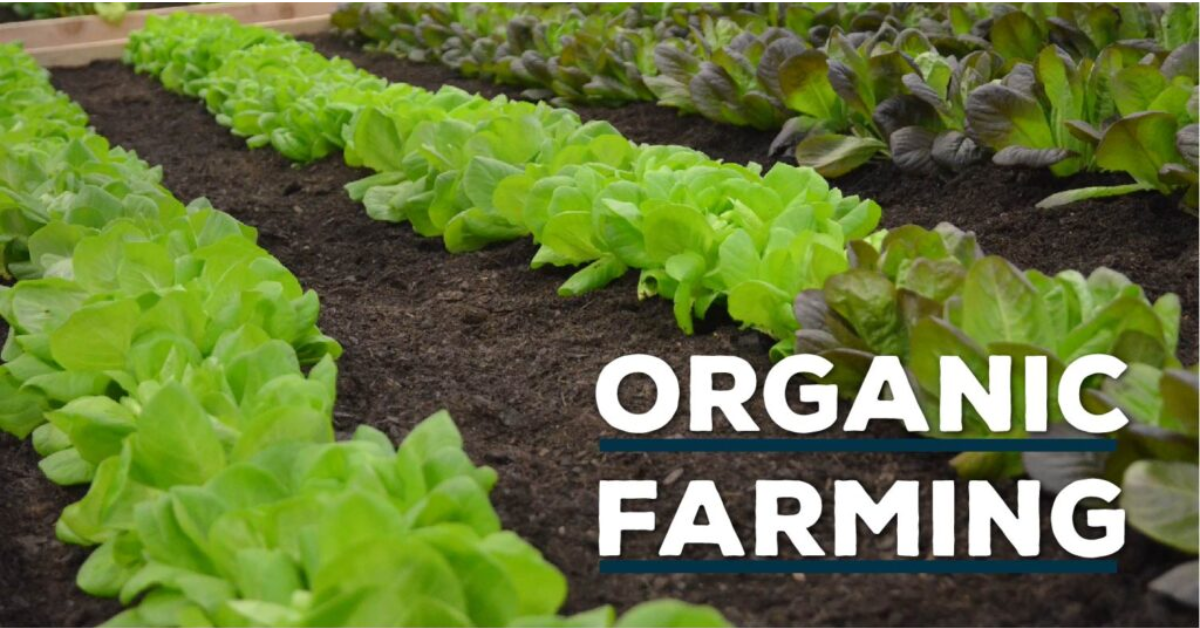
Indian farmers are under constant pressure to raise output while input costs keep climbing and soil health keeps declining season after season. Many are now turning to organic farming solutions in India as a practical way out of this cycle, not just as a lifestyle choice. These methods rebuild soil, cut chemical dependency, and open doors to premium markets that reward clean, residue-free produce.
This shift is not happening in isolation. Across states like Maharashtra, Punjab, and Karnataka, growers report steadier yields once soil biology recovers and pest pressure drops. The real question is no longer whether organic methods work it is how quickly a farm can adopt them without losing a season of income.
Organic Farming Techniques for Indian Farms That Are Changing the Game
The core idea here is simple: work with the soil’s biology instead of overriding it with synthetic inputs. Farmers who make this switch usually start with compost, green manure, and reduced tillage before moving to more advanced practices.
Within 2 to 3 seasons, many report a visible improvement in soil texture and water retention. That early progress is often what convinces a farmer to convert additional acreage the following year.
Soil Health as the Foundation of Every Organic Farming Technique
Healthy soil holds more water, resists erosion, and feeds crops steadily instead of in chemical bursts. Farmers who test soil before switching methods can track organic carbon levels rising from below 0.3 percent to closer to 0.5 to 0.7 percent within 3 years.
That single change often accounts for a large share of the yield improvement seen later, since carbon-rich soil supports stronger root systems and better nutrient uptake.
Crop Rotation and Composting Methods Farmers Are Adopting
Rotating legumes with cereals restores nitrogen naturally and breaks pest and disease cycles that build up under monocropping. Composting farm waste instead of burning it returns organic matter to the field at almost no cost.
Farmers combining both practices commonly cut fertiliser spending by 20 to 30 percent within 2 seasons, freeing up cash for other parts of the operation.
Why Sustainable Farming in India Is Becoming a Yield Strategy, Not Just an Ideal
This shift used to be framed mainly around environmental responsibility. That framing has changed. Farmers now treat it as a direct yield and income strategy, since soil managed this way keeps producing at stable levels even during erratic monsoon years.
Water Conservation Practices Supporting Sustainable Farming in India Today
Drip irrigation, mulching, and rainwater harvesting structures are now common on organic farms because water-stressed soil undoes most of the gains from better inputs.
Farmers using mulch report 25 to 30 percent lower irrigation frequency during dry spells, which matters most in rainfed districts where every drop of stored water counts.
Government Push and Market Demand Driving the Shift
Central and state schemes now offer certification support and subsidies for organic conversion, while urban buyers pay a consistent premium of 15 to 25 percent for certified produce.
Sustainable farming in India is being pulled forward by both policy support and paying customers at the same time, which is rare for an agricultural transition of this scale.
Natural Pest Control Methods for Farmers Replacing Chemical Sprays
Chemical pesticide costs have climbed sharply over the past 5 years, and residue limits imposed by buyers have grown stricter. Natural pest control methods for farmers are filling that gap without the recurring cost or the residue risk that chemical sprays carry.
How Biological and Botanical Pest Control Protects Yield Without Residue
Neem-based sprays, pheromone traps, and beneficial microorganisms such as Trichoderma work at different points in a pest’s life cycle.
Used together, they intercept pests before populations reach the level that causes real yield loss, often reducing spray rounds from 4 or 5 per season down to 1 or 2.
Building a Layered Pest Management System on Small and Large Farms
A one-acre vegetable plot and a 50-acre cotton field both benefit from the same layered logic: monitor first, then intervene only when trap counts cross a threshold.
Layered systems offered by suppliers such as Sonoris Farms Agrotech combine monitoring tools with targeted, low-residue treatments to keep intervention costs down while protecting yield across the season.
Organic Farming Techniques for Indian Farms: Measuring the Yield and Income Impact
Numbers matter more than intentions when a farmer is deciding whether to convert a field. Data collected across multiple states shows that this approach delivers measurable gains once the transition period, usually 2 to 3 seasons, is complete.
Real Numbers From the Field: Yield Gains After Switching to Organic Methods
Farmers growing pulses and vegetables organically have reported yield increases of 10 to 18 percent within 3 years, alongside input cost reductions of 20 to 35 percent.
Premium pricing on certified produce often adds another 15 to 20 percent to net returns, compounding the benefit further over successive seasons.
How Sonoris Farms Agrotech Supports This Transition
Sonoris Farms Agrotech works alongside farmers making this shift, supplying pheromone traps, biofertilisers, and microorganism-based soil solutions built for Indian growing conditions.
The goal is to remove the guesswork from adopting organic farming solutions in India, so farmers see results within a season rather than waiting years to find out what works.
Conclusion
The path to higher yield in Indian agriculture no longer runs only through more fertiliser and more spray rounds. It runs through healthier soil, smarter pest management, and farming systems built to last beyond a single season.
Organic farming solutions in India are proving that clean produce and strong yield are not opposing goals, they support each other when the right techniques are applied consistently. For farmers ready to begin that shift, Sonoris Farms Agrotech offers field-tested tools that make the transition practical rather than theoretical.
Frequently Asked Questions
1.What are organic farming solutions in India and why do they matter for yield?
They are soil, pest, and nutrient management practices that replace synthetic chemical inputs with natural methods to build long-term yield stability.
2.How long does it take to see results from organic farming techniques for Indian farms?
Most farmers see measurable soil and yield improvement within 2 to 3 growing seasons of consistent practice.
3.Is sustainable farming in India profitable for small landholders?
Yes, small farms benefit through lower input costs and premium pricing on certified, chemical-free produce.
4.What natural pest control methods for farmers work best against common crop pests?
Pheromone traps, neem-based sprays, and beneficial microorganisms together offer the most reliable, residue-free protection.
5.Can large-scale farms switch to organic methods without losing productivity?
Yes, layered systems combining soil biology, monitoring, and targeted treatments scale effectively to large acreage without a yield drop.
Also Read : How to Use a Pheromone Trap for Maximum Pest Control Results?
