

- Your cart is empty
- Continue shopping
-
sonoriagr
- Posted on
- Categories:Eco Technology
- 0 comments
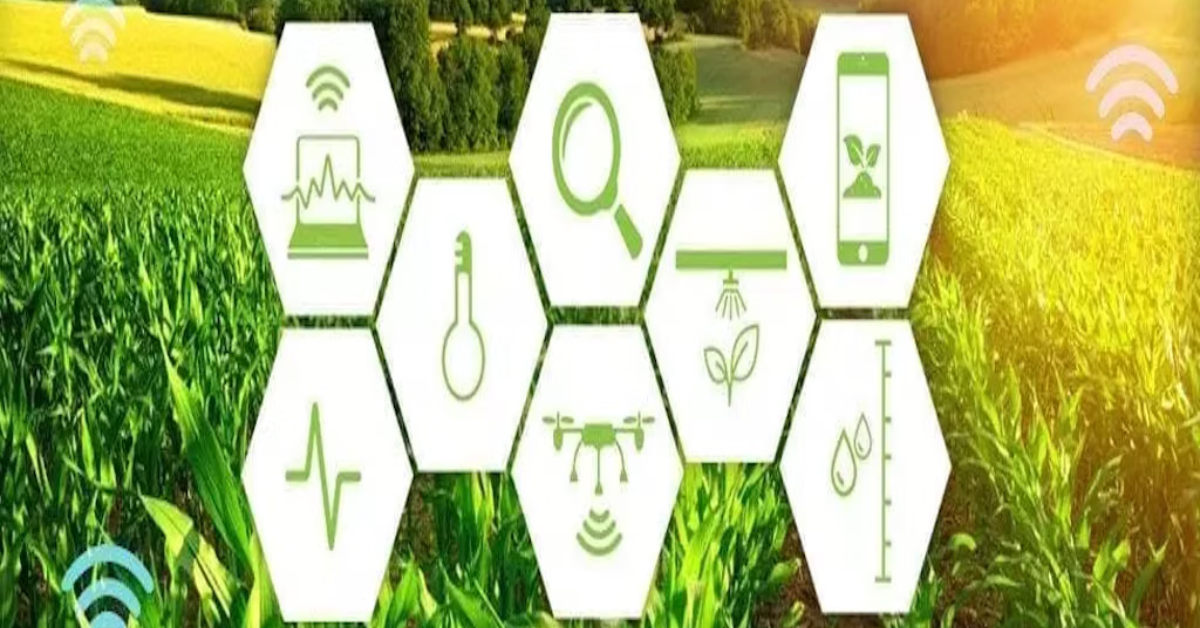
Indian agriculture is stepping into a new digital era. From AI-powered sensors to drone-based crop scouting, Intelligent Farming Solutions in India are changing the way millions of growers plant, monitor, and sell their produce. In 2026, this shift is no longer limited to large estates; it has become a working reality for small and marginal farmers across Punjab, Maharashtra, and Tamil Nadu. Rising input costs, erratic rainfall, and shrinking landholdings have pushed rural India toward smarter, data-backed methods of farming.
This article looks at how these tools are reshaping rural livelihoods, opening fresh business avenues, and lifting yields at a scale the country has rarely witnessed before. It also looks at the rural enterprises, including logistics and franchise businesses, that are growing alongside this farm tech wave.
Modern Agriculture Techniques in India Driving the Change
Farming in India has moved well past the traditional plough and bullock cart image. Modern agriculture techniques in India now include satellite mapping, soil sensors, and mobile-based advisory tools that reach farmers directly on their phones. According to industry estimates, more than 400 agri-tech startups are currently active in India, working on everything from crop health diagnostics to automated harvesting equipment. These tools are helping farmers cut input wastage by nearly 20 to 25 percent while improving overall output per acre. Even small landholders with just 2 to 3 acres are now able to access the same data driven insights that were once limited to large commercial farms, thanks to affordable sensor kits and shared equipment models.
Precision Farming Tools Reshaping Rural Fields
Precision farming uses GPS guided equipment and soil mapping to apply exactly the right amount of seed, water, and fertiliser to each patch of land. A farmer in Punjab growing wheat on 5 acres can now use a soil sensor kit costing under Rs 15,000 to track nutrient levels in real time. This reduces guesswork, cuts fertiliser bills, and often raises yield by 10 to 15 percent within a single season. Drone based aerial imaging is also being used to spot pest outbreaks days before they would be visible to the naked eye, giving farmers a critical head start in managing crop damage.
IoT-Based Irrigation Systems Cutting Water Wastage
Water scarcity remains one of the biggest threats to Indian farming. IoT connected irrigation systems now measure soil moisture and weather patterns automatically, switching pumps on and off without manual intervention. In states like Maharashtra, pilot projects report water savings of up to 30 percent, a significant number for regions that depend heavily on groundwater during dry months. Some cooperative farming groups have pooled resources to install shared IoT irrigation controllers across 50 to 100 acre clusters, spreading the cost while multiplying the water saving benefit across an entire village.
Sustainable Farming in India: Balancing Growth and the Environment
Growth without care for the soil and climate cannot last. Sustainable farming in India is gaining ground as farmers, policymakers, and agribusinesses recognise that long term productivity depends on healthier land and cleaner practices. Crop rotation, reduced chemical use, and water conservation are no longer niche ideas, they are becoming standard practice across several farming belts, particularly in states facing repeated drought and soil degradation concerns.
Organic Inputs and Soil Health Management Practices
More farmers are shifting toward organic compost, bio-fertilisers, and natural pest control methods instead of relying purely on chemical inputs. Soil health cards, introduced by the government and now tracked digitally, help farmers understand nutrient deficiencies before sowing. This single step alone has helped many households save thousands of rupees each season on unnecessary fertiliser purchases, while also improving the long term fertility of their land for future harvests.
Renewable Energy Adoption on Indian Farms
Solar powered water pumps are quietly replacing diesel generators in many villages, cutting both fuel costs and carbon emissions. Under central and state solar pump schemes, farmers have received subsidies covering 60 to 90 percent of installation costs, making clean energy a realistic choice rather than an expensive add on. Beyond pumps, small solar dryers and cold storage units are also helping farmers reduce post harvest losses, which have historically eaten into profits before produce even reaches the market.
The Expanding Smart Agriculture Market India Landscape
Investment in this space has grown sharply over the past few years. The smart agriculture market India currently represents one of the fastest growing segments within the country’s broader technology sector, with analysts projecting continued double digit growth through the rest of the decade. Venture capital firms, corporate agri-businesses, and government backed funds are all pouring money into this space, betting on the idea that data driven farming will define the next decade of Indian agriculture.
Investment Trends Fuelling Agri-Tech Startups
Agri-tech funding in India crossed several hundred million dollars in recent years, with strong interest in supply chain platforms, farm management software, and precision equipment manufacturers. Many of these startups partner directly with farmer producer organisations, giving even small landholders access to tools once reserved for commercial farms. Several of these companies are also expanding into tier 2 and tier 3 towns, recognising that the next wave of adoption will come from smaller agricultural markets rather than metro cities alone.
Government Schemes Supporting Farm Digitisation
Programmes such as the Digital Agriculture Mission and various state level e-governance portals are helping farmers register land records, access credit, and receive real time market price updates. These initiatives are gradually removing the information gap that has historically put small farmers at a disadvantage during price negotiations, giving them stronger footing when dealing with traders, buyers, and financial institutions alike.
Agricultural Technology in India: Empowering Rural Entrepreneurs
Beyond the farm gate, agricultural technology in India is also creating new business roles in rural areas. Equipment rental services, drone operators, soil testing labs, and last mile logistics providers are all emerging as viable rural enterprises, giving young entrepreneurs a reason to stay closer to home instead of migrating to cities. This growing ecosystem is turning farming regions into small hubs of technology-driven commerce.
Mobile Apps and AI Advisory Platforms for Farmers
Voice based AI advisory apps now answer farmer queries in regional languages, covering everything from pest identification to weather alerts. Some platforms report over a million active users, showing how quickly rural India has adopted mobile-first tools once they are made simple and accessible. These apps are also helping first time farmers, who may lack generations of inherited knowledge, make more confident decisions about sowing time, crop selection, and market timing.
Agri-Input and Advisory Networks Reaching Rural Farmers
Getting the right seeds, equipment, and technical guidance to a farmer’s doorstep is just as important as the technology itself. Agri-input and advisory networks such as Sonoris Farms Agrotech are increasingly supporting rural supply chains, helping small growers access quality seeds, soil testing kits, and precision equipment without long delays. For rural entrepreneurs looking to diversify income, partnering with a brand like Sonoris Farms Agrotech has become an appealing way to tap into India’s growing agri-tech demand while staying rooted in their local community. As more villages get connected through better roads and digital ordering, the distance between a farm and the inputs it needs keeps shrinking.
Conclusion
The pace of change in Indian agriculture over the last few years has been remarkable. Intelligent farming solutions in India are no longer experimental, they are becoming a practical part of everyday farming decisions, from the seed a farmer chooses to the price they eventually receive at market. As rural entrepreneurship grows alongside this shift, ventures like Sonoris Farms Agrotech show how technology, advisory support, and agriculture are increasingly connected, giving India’s farming communities more ways to grow, sell, and prosper in 2026 and beyond.
Frequently Asked Questions
- What does the term ‘intelligent farming’ mean in Indian agriculture today?
It refers to the use of sensors, AI advisory tools, drones, and data-driven equipment that help farmers plan, irrigate, and harvest more efficiently.
- How is technology improving crop yields for Indian farmers?
Precision tools and real-time soil data help farmers apply the right inputs at the right time, often raising yields by 10 to 15 per cent per season.
- What government schemes support smart farming adoption in India?
Programmes like the Digital Agriculture Mission and state solar pump subsidies help farmers access technology and clean energy at a lower upfront cost.
- Is sustainable farming financially viable for small Indian farmers?
Yes, lower input costs from organic practices and better soil health often translate into steady long-term savings and more reliable harvests.
- How do couriers and logistics support rural agriculture-based businesses?
Reliable delivery networks help farmers and rural entrepreneurs move seeds, equipment, and packaged produce across regions quickly and without spoilage.
